Weather Alerts for Montana
1. Blizzard Warning for: Daniels; Sheridan; Eastern Roosevelt
2. Cold Weather Advisory for: Central and Southeast Phillips; Northern Phillips; Southwest Phillips; Northern Valley
3. Cold Weather Advisory for: East Glacier Park Region; Northern High Plains; Eastern Glacier, Western Toole, and Central Pondera; Eastern Toole and Liberty
4. Cold Weather Advisory for: Hill County; Northern Blaine County; Southern Rocky Mountain Front; Southern High Plains; Eastern Pondera and Eastern Teton; Western and Central Chouteau County; Bears Paw Mountains and Southern Blaine; Cascade County below 5000ft; Upper Blackfoot and MacDonald Pass; Gates of the Mountains
5. Extreme Cold Warning for: East Glacier Park Region; Northern High Plains; Eastern Glacier, Western Toole, and Central Pondera; Eastern Toole and Liberty
6. Winter Weather Advisory for: Big Belt, Bridger and Castle Mountains; Missouri Headwaters; Madison River Valley; Gallatin Valley; Beaverhead and Western Madison below 6000ft
7. Winter Weather Advisory for: Bitterroot/Sapphire Mountains
8. Winter Weather Advisory for: Flathead/Mission Valleys
9. Winter Weather Advisory for: Kootenai/Cabinet Region
10. Winter Weather Advisory for: Lower Clark Fork Region
11. Winter Weather Advisory for: Musselshell; Treasure; Northern Rosebud; Custer; Northern Stillwater; Powder River; Carter; Golden Valley; Northern Big Horn; Southern Rosebud; Southern Big Horn; Bighorn Canyon; Northeastern Yellowstone; Southwestern Yellowstone; Sheridan Foothills
12. Winter Weather Advisory for: Northern Park; Judith Gap; Paradise Valley; Livingston Area; Beartooth Foothills; Northern Sweet Grass; Melville Foothills; Southern Wheatland
13. Winter Weather Advisory for: Northwest Beaverhead County; Ruby Mountains and Southern Beaverhead Mountains; Gallatin and Madison County Mountains and Centennial Mountains
14. Winter Weather Advisory for: Pryor/Northern Bighorn Mountains; Northeast Bighorn Mountains
15. Winter Weather Advisory for: Red Lodge Foothills; Southeastern Carbon; Northern Carbon
16. Winter Weather Advisory for: West Glacier Region
Want more detail? Get the Complete 7 Day and Night Detailed Forecast!
Current U.S. National Radar--Current
The Current National Weather Radar is shown below with a UTC Time (subtract 5 hours from UTC to get Eastern Time).

National Weather Forecast--Current
The Current National Weather Forecast and National Weather Map are shown below.

National Weather Forecast for Tomorrow
Tomorrow National Weather Forecast and Tomorrow National Weather Map are show below.

North America Water Vapor (Moisture)
This map shows recent moisture content over North America. Bright and colored areas show high moisture (ie, clouds); brown indicates very little moisture present; black indicates no moisture.

Weather Topic: What is Evaporation?
Home - Education - Precipitation - Evaporation
 Next Topic: Fog
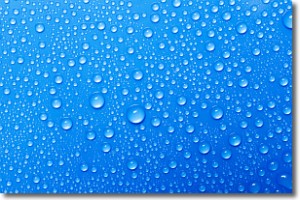
Evaporation is the process which returns water from the earth
back to the atmosphere, and is another crucial process in the water cycle.
Evaporation is the transformation of liquid into gas, and it happens because
molecules are excited by the application of energy and turn into vapor.
In order for water to evaporate it has to be on the surface of a body of water.
Next Topic: Fog
Weather Topic: What are Fractus Clouds?
Home - Education - Cloud Types - Fractus Clouds
 Next Topic: Freezing Rain
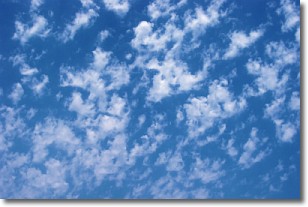
A fractus cloud (scud) is a fragmented, tattered cloud which has
likely been sheared off of another cloud. They are accessory clouds, meaning they
develop from parent clouds, and are named in a way which describes the original
cloud which contained them.
Fractus clouds which have originated from cumulus clouds are referred to as
cumulus fractus, while fractus clouds which have originated from stratus clouds
are referred to as stratus fractus. Under certain conditions a fractus cloud might
merge with another cloud, or develop into a cumulus cloud, but usually a
fractus cloud seen by itself will dissipate rapidly.
They are often observed on the leading and trailing edges of storm clouds,
and are a display of wind activity.
Next Topic: Freezing Rain
Current conditions powered by WeatherAPI.com