Weather Alert in Ohio
Flood Warning issued April 2 at 7:35AM EDT until April 3 at 6:00PM EDT by NWS Cleveland OH
AREAS AFFECTED: Sandusky, OH; Wood, OH
DESCRIPTION: ...Forecast flooding changed from Minor to Moderate severity and increased in duration for the following rivers in Ohio... Portage River At Woodville affecting Wood and Sandusky Counties. For the Portage River...including Woodville...Moderate flooding is forecast. * WHAT...Moderate flooding is occurring and moderate flooding is forecast. * WHERE...Portage River at Woodville. * WHEN...Until tomorrow evening. * IMPACTS...At 13.0 feet, Flood waters inundate basements of property adjecent to the river near Pemberville. The parking lot of the downtown business district in Pemberville is flooded. Backwater from the ditch east of Wayne Rd inundates South River Road. West of Wayne Road, both North and South River Roads are inundated with feet of water. In Woodville, Trail Marker Park and adjacent low lying roads of Cherry Street and Erie Street are inundated. Backwater from the ditch on State Route 105 west of State Route 582 covers the road. * ADDITIONAL DETAILS... - At 7:30 AM EDT Thursday the stage was 12.6 feet. - Forecast...The river is expected to rise to a crest of 12.8 feet this afternoon. It will then fall below flood stage early tomorrow afternoon. - Flood stage is 11.0 feet. - Flood History...This crest compares to a previous crest of 12.9 feet on 05/07/2017. - Please visit www.weather.gov/safety/flood for flood safety and preparedness information.
INSTRUCTION: Turn around, don't drown when encountering flooded roads. Most flood deaths occur in vehicles. Additional information is available at www.weather.gov/cle. The next statement will be issued this afternoon at 545 PM EDT.
Want more detail? Get the Complete 7 Day and Night Detailed Forecast!
Current U.S. National Radar--Current
The Current National Weather Radar is shown below with a UTC Time (subtract 5 hours from UTC to get Eastern Time).

National Weather Forecast--Current
The Current National Weather Forecast and National Weather Map are shown below.

National Weather Forecast for Tomorrow
Tomorrow National Weather Forecast and Tomorrow National Weather Map are show below.

North America Water Vapor (Moisture)
This map shows recent moisture content over North America. Bright and colored areas show high moisture (ie, clouds); brown indicates very little moisture present; black indicates no moisture.

Weather Topic: What is Evaporation?
Home - Education - Precipitation - Evaporation
 Next Topic: Fog
Evaporation is the process which returns water from the earth
back to the atmosphere, and is another crucial process in the water cycle.
Evaporation is the transformation of liquid into gas, and it happens because
molecules are excited by the application of energy and turn into vapor.
In order for water to evaporate it has to be on the surface of a body of water.
Next Topic: Fog
Weather Topic: What are Fractus Clouds?
Home - Education - Cloud Types - Fractus Clouds
 Next Topic: Freezing Rain
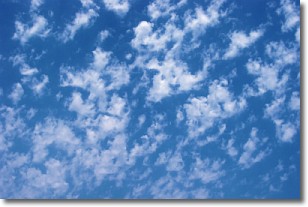
A fractus cloud (scud) is a fragmented, tattered cloud which has
likely been sheared off of another cloud. They are accessory clouds, meaning they
develop from parent clouds, and are named in a way which describes the original
cloud which contained them.
Fractus clouds which have originated from cumulus clouds are referred to as
cumulus fractus, while fractus clouds which have originated from stratus clouds
are referred to as stratus fractus. Under certain conditions a fractus cloud might
merge with another cloud, or develop into a cumulus cloud, but usually a
fractus cloud seen by itself will dissipate rapidly.
They are often observed on the leading and trailing edges of storm clouds,
and are a display of wind activity.
Next Topic: Freezing Rain
Current conditions powered by WeatherAPI.com